Top 5 Eco-Friendly Fencing Materials for a Sustainable Property


As environmental concerns continue to rise, many homeowners are seeking ways to make their properties more sustainable. One area often overlooked is the fencing around your home. Choosing eco-friendly fencing materials can significantly reduce your carbon footprint while still providing privacy, security, and aesthetic appeal.

Bamboo Fencing
Bamboo is a rapidly renewable resource, making it an excellent choice for eco-conscious homeowners. It grows much faster than traditional wood and requires fewer resources to cultivate. Bamboo fences are not only durable but also offer a natural and attractive look that blends seamlessly with outdoor environments.
Benefits of Bamboo
One of the primary advantages of bamboo fencing is its sustainability. It's a highly renewable material that can be harvested without causing long-term damage to the environment. Additionally, bamboo is biodegradable and can be recycled, adding to its eco-friendly credentials.
Recycled Metal Fencing
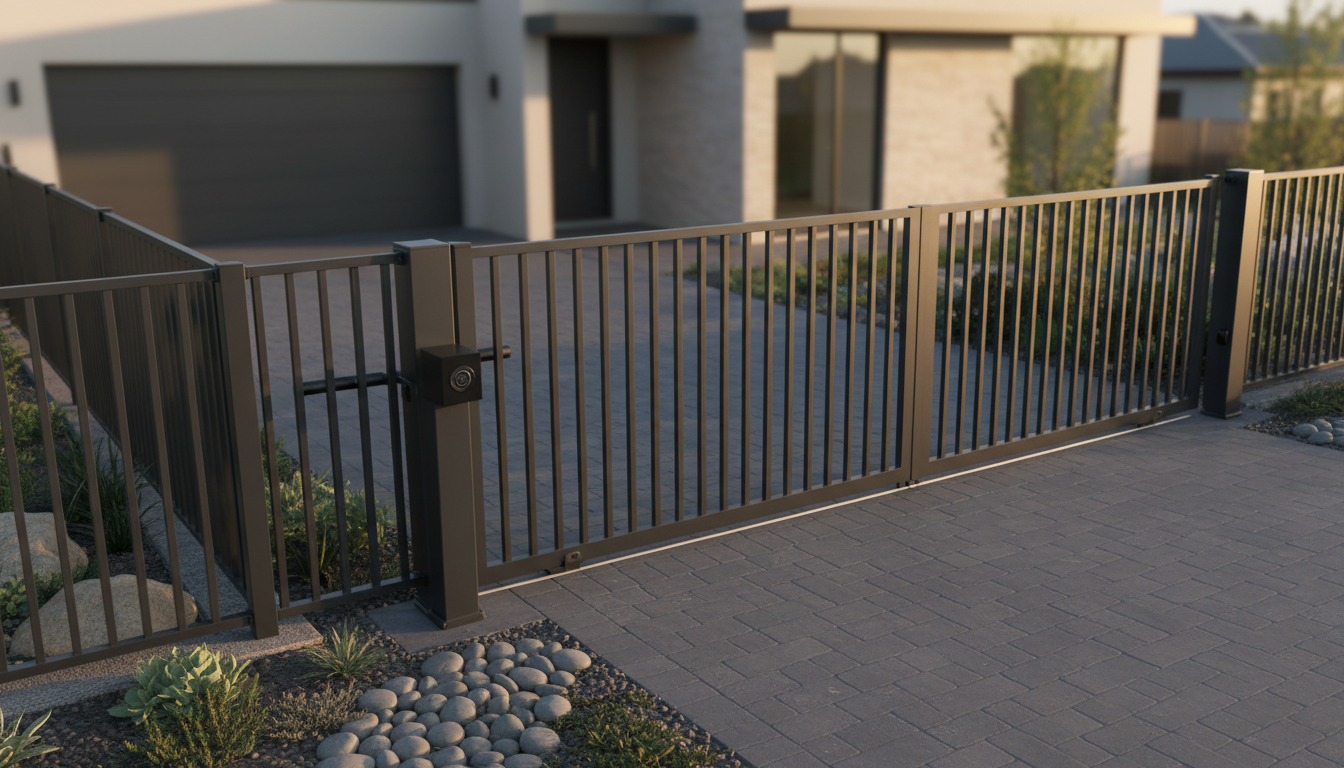
Recycled metal fencing is another sustainable option. By repurposing metals such as aluminum and steel, this type of fencing reduces waste and minimizes the need for new raw materials. Metal fences are known for their strength and longevity, providing a secure barrier for your property.
Eco-Friendly Advantages
Using recycled metal helps conserve natural resources and reduces the energy consumption required to produce new metal. Moreover, metal fences are low maintenance, requiring little to no chemical treatments, which further contributes to their eco-friendly nature.
Composite Fencing
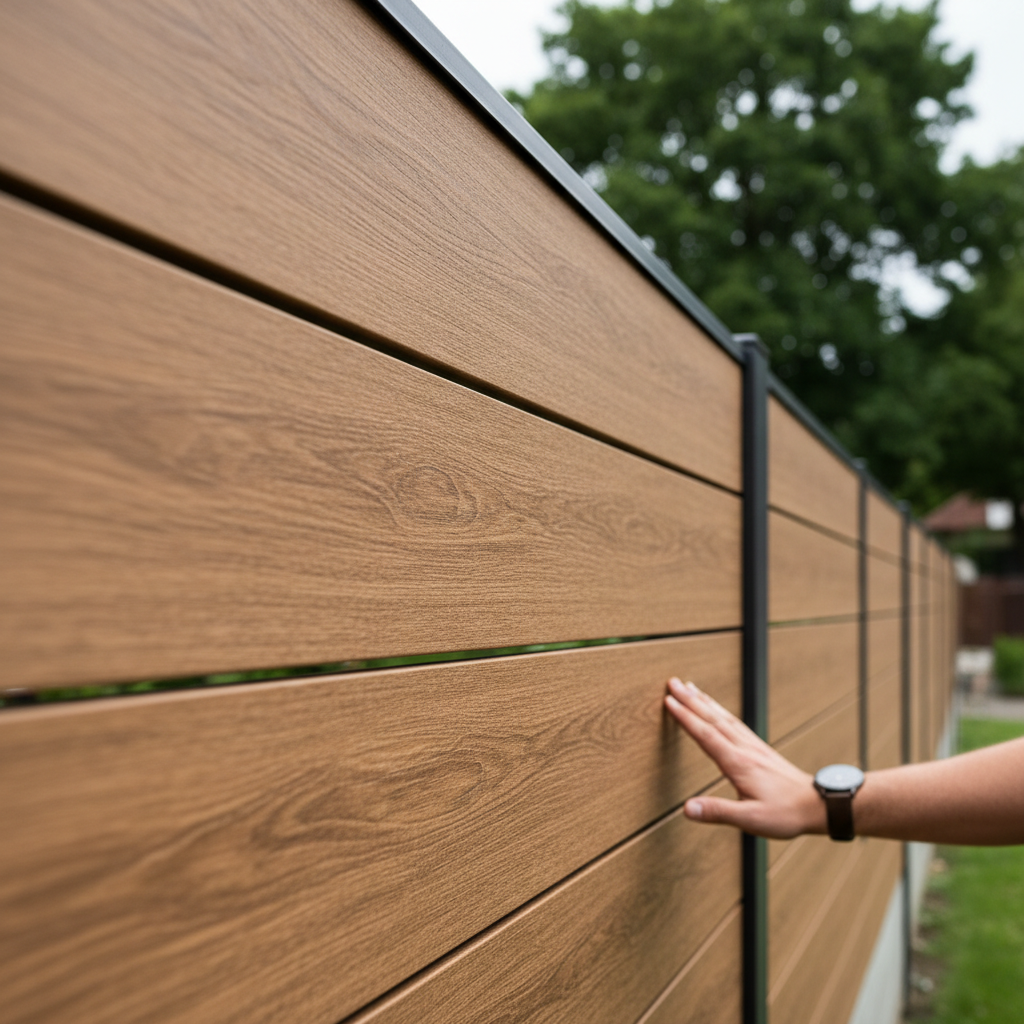
Composite fencing is made from a blend of recycled wood fibers and plastic. This material combines the appearance of wood with the durability of plastic, offering a long-lasting and sustainable fencing solution. Composite fences are resistant to rot, insects, and weather, making them a practical choice for various climates.
Environmental Impact
By utilizing recycled materials, composite fencing helps reduce landfill waste and conserves natural resources. It also requires less maintenance compared to traditional wood, eliminating the need for harmful chemical treatments.
Hemp Fencing
Hemp is gaining popularity as a sustainable fencing material due to its rapid growth and minimal environmental impact. Hemp fences are strong, durable, and provide a unique, natural aesthetic to any property.
Benefits of Hemp
Hemp cultivation requires little water and no pesticides, making it an environmentally friendly option. Additionally, hemp is biodegradable and can be easily recycled, ensuring that your fence has a minimal ecological footprint.
Reclaimed Wood Fencing
Reclaimed wood fencing utilizes wood that has been salvaged from old structures, giving new life to materials that might otherwise end up in a landfill. This option provides a rustic and charming appearance that can enhance the beauty of any outdoor space.
Why Choose Reclaimed Wood?
Using reclaimed wood reduces the demand for freshly cut timber and helps preserve forests. It also adds character and history to your property, making it a unique and sustainable choice for eco-conscious homeowners.
Choosing eco-friendly fencing materials not only benefits the environment but also enhances the sustainability and appeal of your property. Whether you opt for bamboo, recycled metal, composite, hemp, or reclaimed wood, each material offers its own set of environmental advantages. By selecting one of these sustainable options, you're making a positive impact on the planet while creating a beautiful and functional outdoor space.