Navigating Fencing Regulations in Clark County: What You Need to Know


When planning to install a fence in Clark County, understanding the local regulations is crucial. Whether it's for privacy, security, or aesthetic purposes, being familiar with the rules will help you avoid potential fines and ensure a smooth installation process.
Understanding Zoning Laws
Zoning laws in Clark County dictate where and how you can install a fence. These laws are designed to maintain the community's appearance and safety. It’s essential to consult the county's zoning department to determine the specific requirements for your area.
In most residential zones, there are height restrictions that must be adhered to. For example, front yard fences are often limited to a maximum height of 3 to 4 feet, while backyard fences can usually be taller.
Checking for Easements
Easements are portions of your property that others have a right to access, such as utility companies. Before you dig, check for any easements that might affect your fencing plans. Building over these areas can lead to legal complications and the need for removal.

Permits and Approvals
Depending on the size and location of your fence, a permit may be required. It’s always a good idea to contact the local building department to determine if your project needs approval. Typically, a detailed plan of your proposed fence will need to be submitted for review.
Obtaining the necessary permits ensures that your fence complies with all local building codes and safety standards. It also protects you from future disputes with neighbors or the county.
Working with Neighbors
When installing a boundary fence, communication with your neighbors is key. Discussing your plans with them can prevent disputes and lead to a more harmonious neighborhood. In some cases, neighbors may even share the cost of the fence.

Material and Design Considerations
The type of material you choose for your fence can also be subject to regulations. Some communities have guidelines to preserve a uniform look, restricting the use of certain materials or colors. Make sure to review any homeowner association (HOA) rules if applicable.
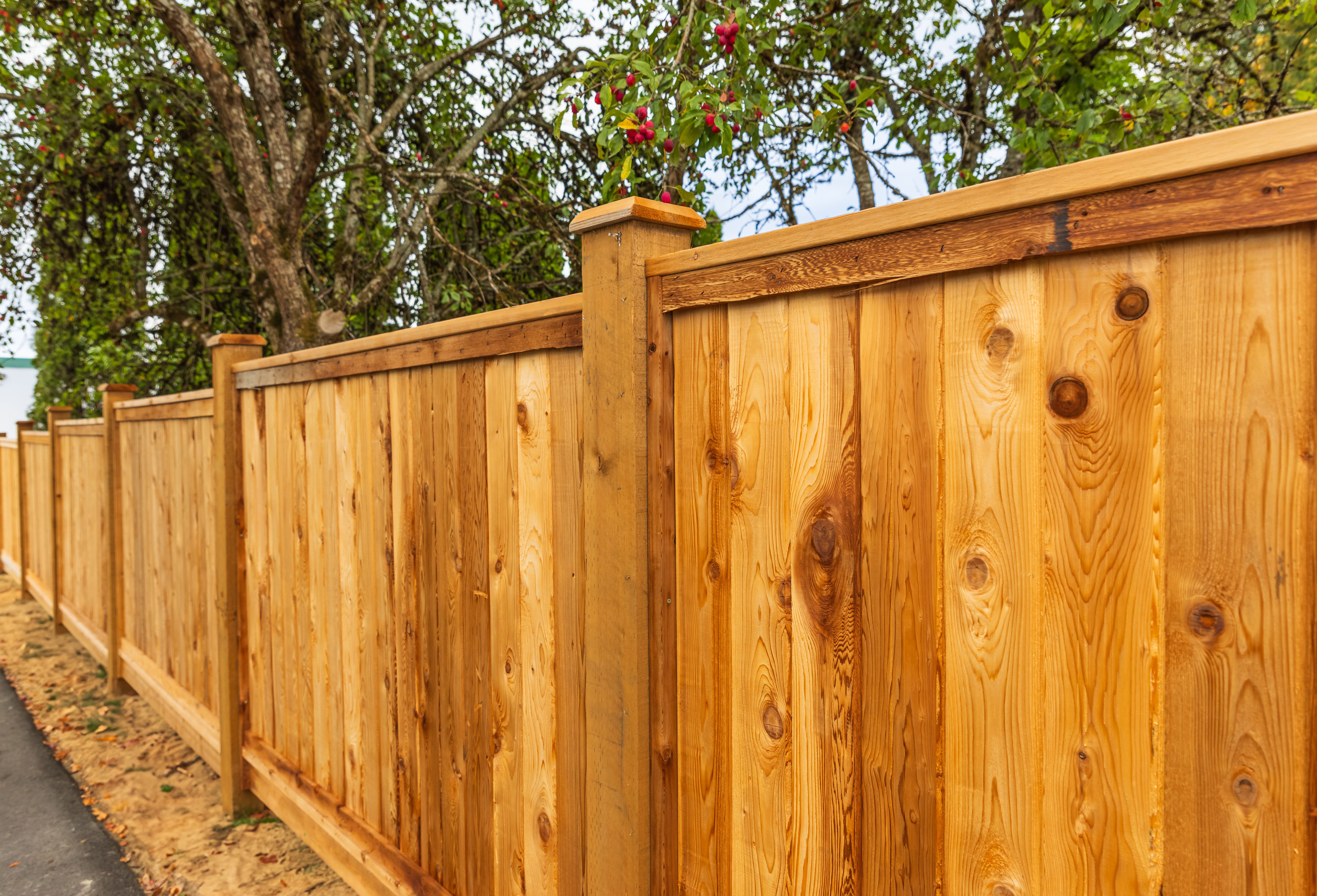
Popular materials include wood, vinyl, and metal, each offering different benefits such as durability, privacy, and maintenance requirements. Consider both the functional and aesthetic aspects when selecting your materials.
Hiring a Professional
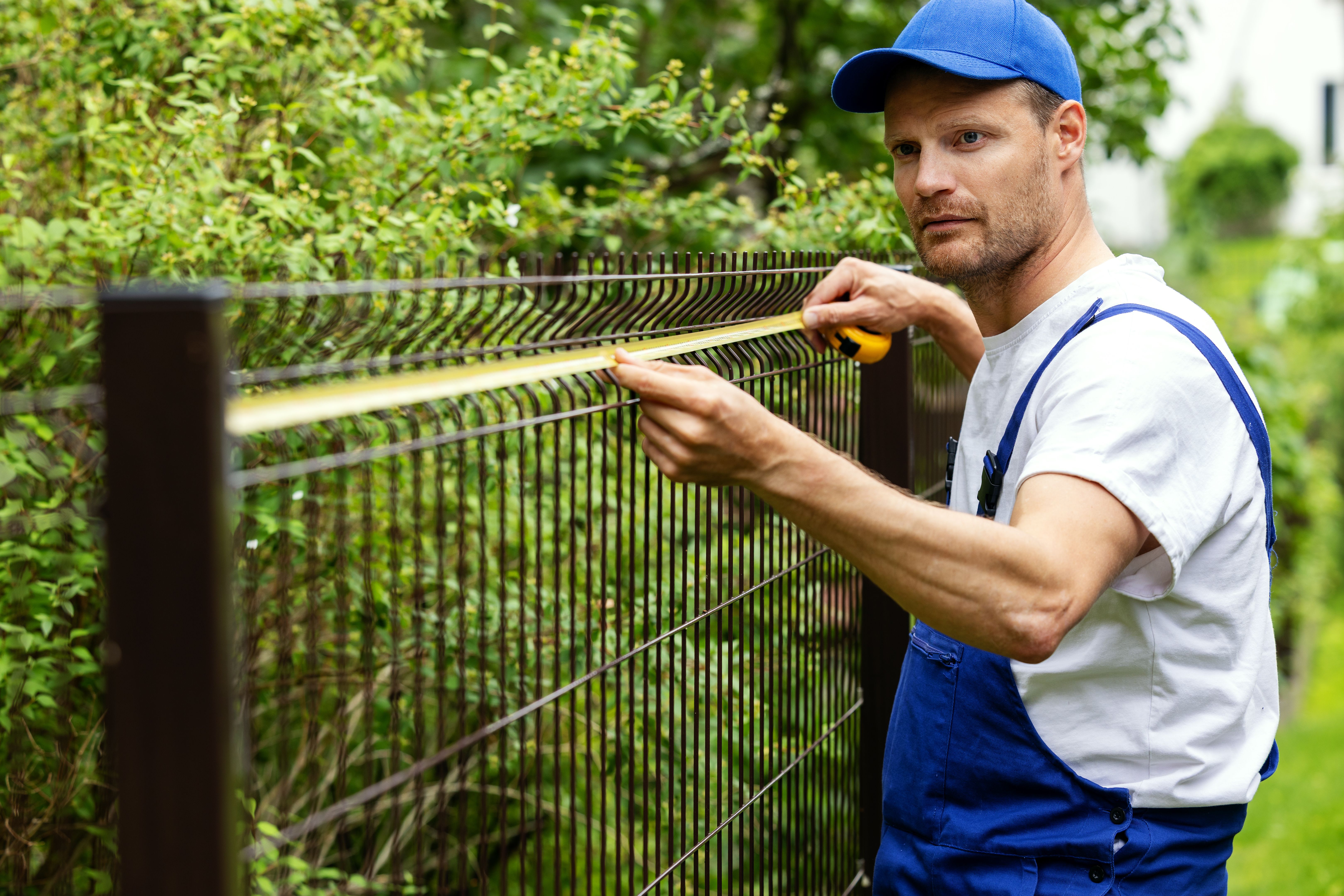
While some homeowners opt for a DIY approach, hiring a professional fencing contractor can ensure compliance with all local regulations. Professionals are familiar with the permitting process and can help navigate any challenges that arise.
Choosing a reputable contractor with experience in Clark County can save you time and prevent costly mistakes. Be sure to check references and reviews to find a reliable partner for your project.
By understanding and adhering to Clark County's fencing regulations, you can enjoy a hassle-free installation process and a fence that enhances both the value and appeal of your property.