Myths About Fencing Materials: What You Need to Know


Understanding Fencing Materials
When it comes to choosing the right fencing material for your property, there are numerous myths that can cloud your judgment. Understanding the realities behind these misconceptions is essential for making an informed decision. Let's explore some of the most common myths about fencing materials.

Myth 1: Wood Fencing Requires Constant Maintenance
Many people believe that wood fencing requires continuous upkeep to maintain its appearance and durability. While it's true that wood needs some care, modern treatments and finishes have significantly reduced the maintenance required. Regular sealing and occasional cleaning can keep your wood fence looking great for years.
Moreover, choosing high-quality wood, such as cedar or redwood, can enhance the longevity and reduce the need for intensive maintenance. These types of wood are naturally resistant to pests and rot.
Myth 2: Vinyl Fencing is Too Fragile
Another common myth is that vinyl fencing is not durable. However, advancements in manufacturing have made vinyl fences both strong and flexible. They can withstand harsh weather conditions and resist impacts better than many expect.
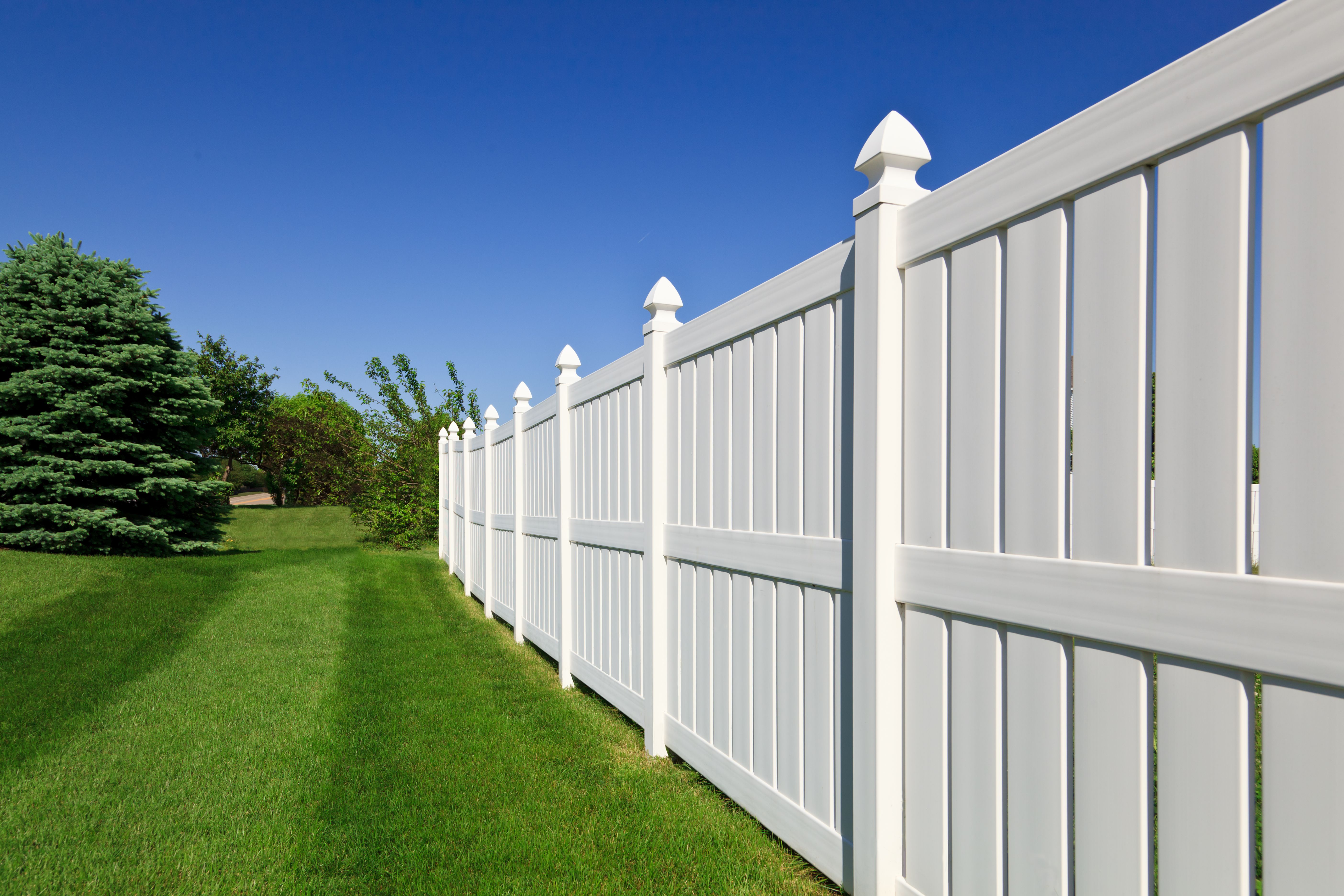
Vinyl fencing is also resistant to pests, rot, and warping, making it a long-lasting option for homeowners seeking a low-maintenance solution. It's an excellent choice for those looking for both durability and aesthetic appeal.
Myth 3: Metal Fencing is Prone to Rust
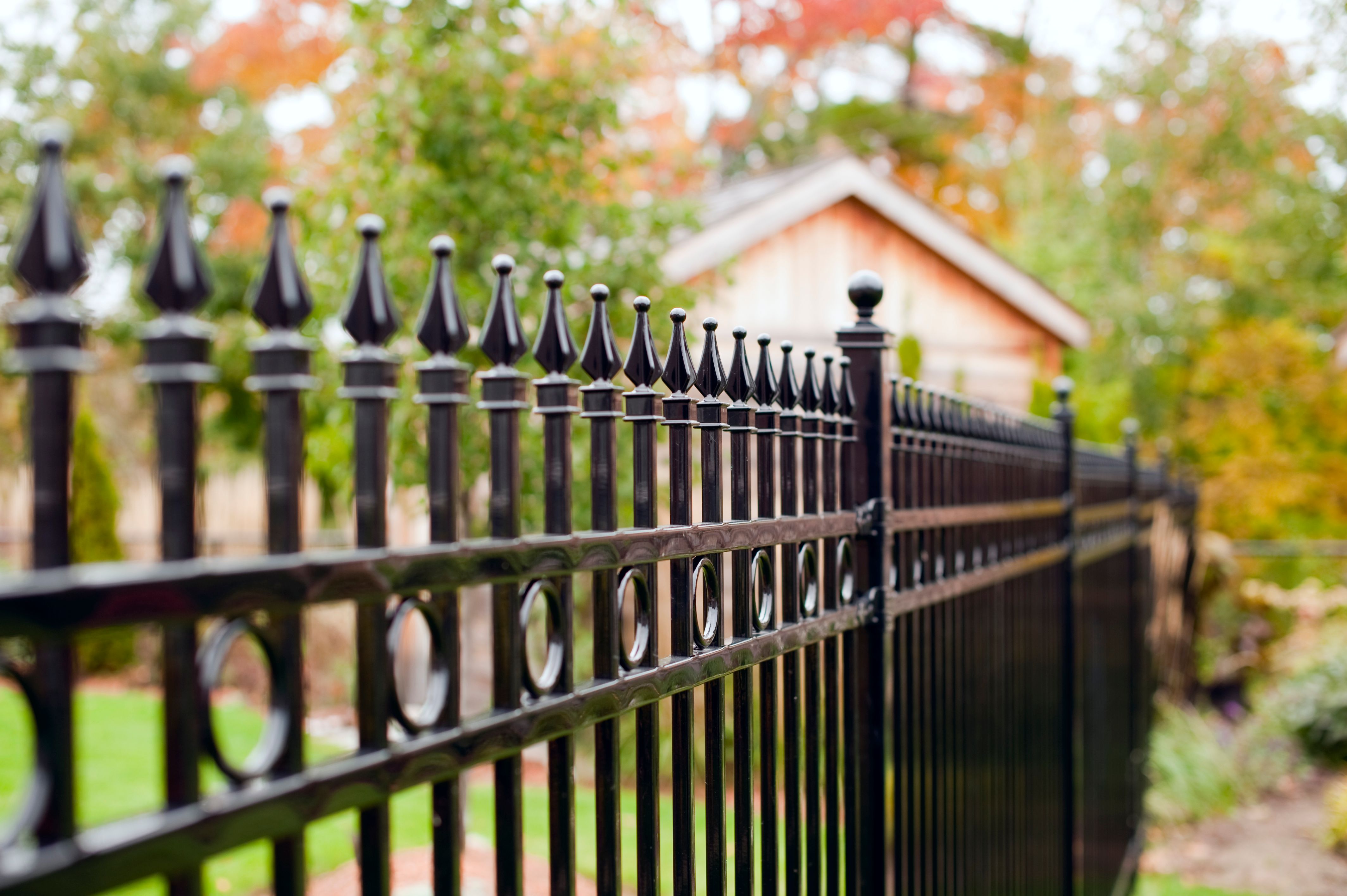
While it's easy to assume that metal fencing will rust over time, modern metal fences are often treated with rust-resistant coatings. Materials such as aluminum and galvanized steel are designed to withstand corrosion, making them a reliable choice for long-term use.
Metal fences also offer a sleek, modern look that can enhance the curb appeal of your property, while providing robust security.
Myth 4: Composite Fencing is Unattractive
Composite fencing is sometimes dismissed as an unattractive option due to its engineered appearance. However, recent designs have improved significantly, offering a variety of styles and colors that mimic natural materials like wood.
This type of fencing combines the best of both worlds, providing the appearance of wood with the durability of plastic. It's an environmentally friendly option that requires minimal maintenance.
Making an Informed Decision
Choosing the right fencing material involves considering various factors, including aesthetics, durability, and maintenance needs. By debunking these myths, you can make a more informed choice that suits your lifestyle and enhances your property's value.
Consider consulting with a fencing professional to explore the best options tailored to your specific needs and preferences. Understanding the true nature of each material will help you achieve the perfect balance of beauty, function, and longevity for your fence.