Debunking Myths About Fencing in Washington


Understanding the Basics of Fencing
In Washington, fencing is a popular choice for homeowners looking to enhance privacy, security, and aesthetics. However, several myths about fencing persist, leading to confusion and misconceptions. This post aims to debunk these myths and provide clarity for those considering installing a fence.
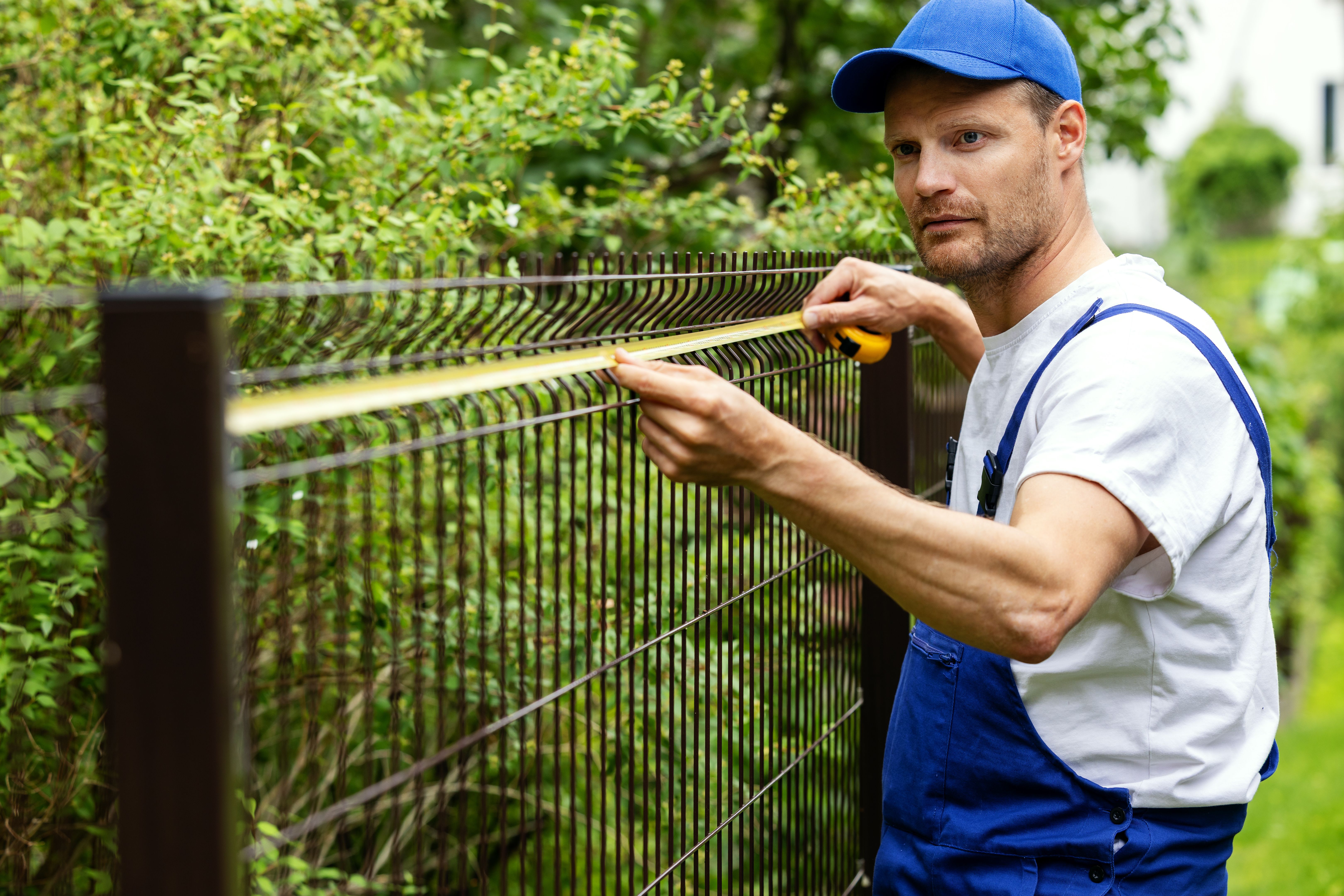
Myth 1: Fences Are Only for Privacy
One common misconception is that fences are solely for privacy. While privacy is a significant benefit, fences also serve several other purposes. They can enhance security, define property boundaries, and add to the overall landscaping design. In Washington, fences can be customized to suit specific needs, blending functionality with style.
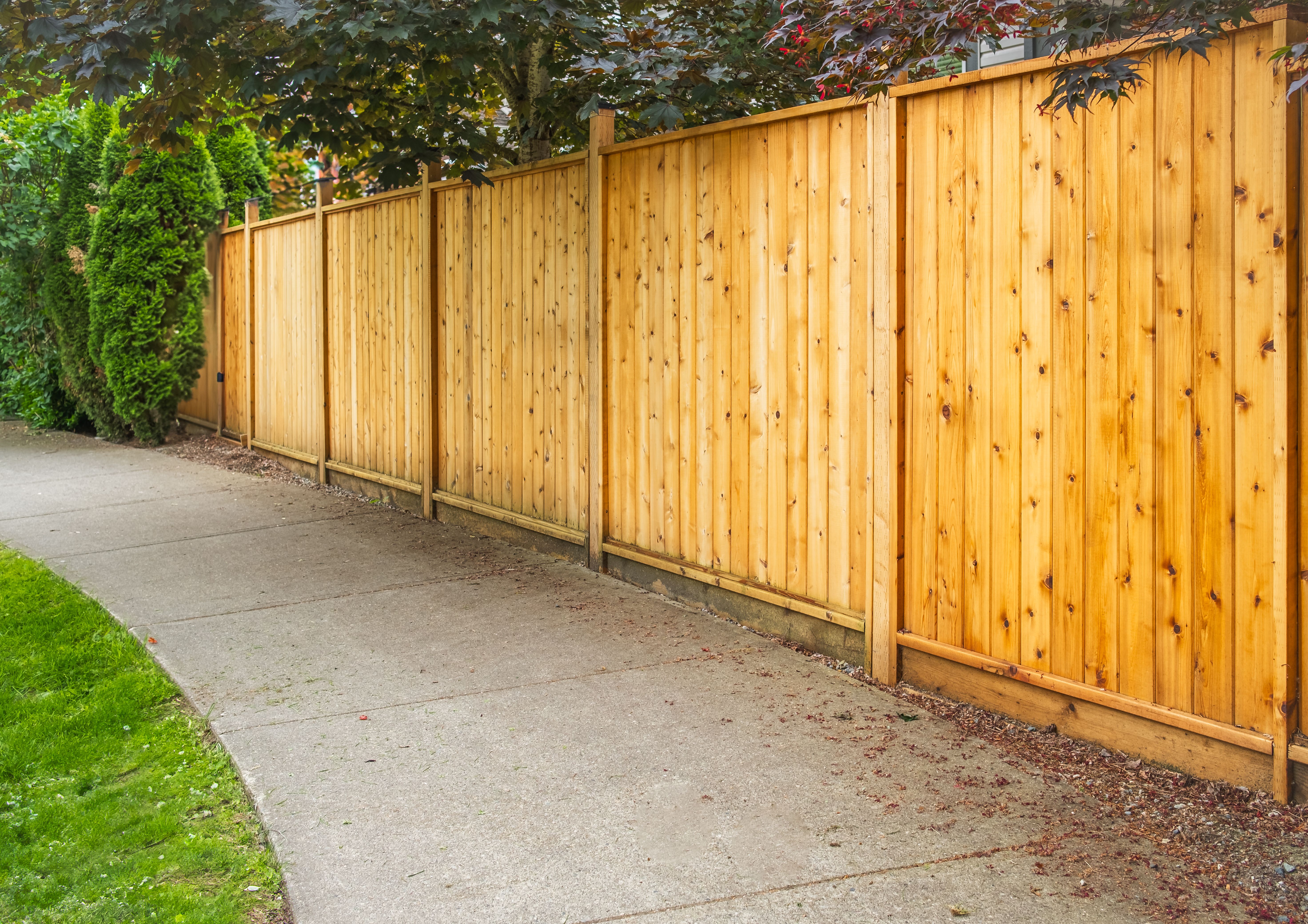
Myth 2: Wooden Fences Are High Maintenance
Many believe that wooden fences require constant upkeep. While wood may need periodic maintenance to prevent rot and decay, modern treatments and sealants have significantly reduced this burden. Proper care can extend the life of a wooden fence, making it a durable and attractive option for many homeowners.
The Reality of Fencing Costs
Another myth is that fencing is prohibitively expensive. In truth, the cost varies widely depending on materials, design, and size. Options range from budget-friendly chain-link fences to premium wrought iron. Homeowners in Washington often find a fencing solution that fits their budget while meeting their needs.
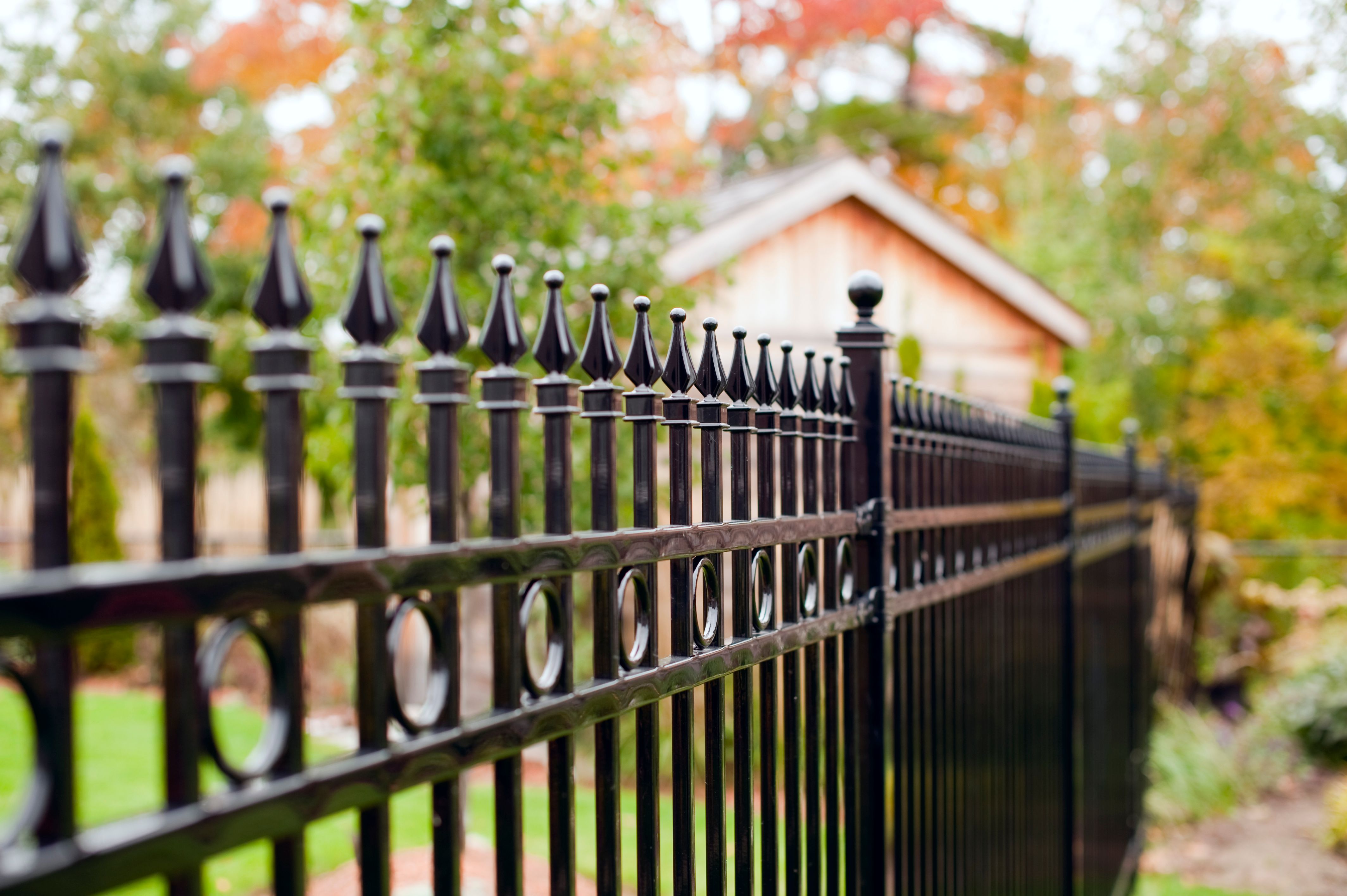
Myth 3: Metal Fences Are Prone to Rust
Modern metal fences are designed with coatings and treatments to prevent rust and corrosion. In a damp climate like Washington's, these innovations are particularly beneficial. Aluminum, for example, is a popular choice because it is naturally resistant to rust, offering both longevity and low maintenance.
Environmental Considerations
Some people worry that fencing can harm the environment. However, many fencing materials are now sourced sustainably, and options like recycled composite materials are gaining popularity. These eco-friendly choices allow homeowners to enjoy the benefits of fencing without compromising on environmental responsibility.
Myth 4: Fencing Limits Wildlife Movement
While fencing can impact wildlife, there are ways to mitigate this. Designing fences with wildlife passages or opting for designs that allow for natural movement can help. In Washington, many homeowners work with local experts to create fencing solutions that balance human needs with ecological considerations.
By debunking these myths, we hope to provide a clearer understanding of the true value and versatility of fencing in Washington. Whether for privacy, security, or aesthetic enhancement, modern fencing offers a range of options to suit various needs and preferences.