Comparing Popular Fencing Materials: Which is Best for Your Vancouver Property?


Introduction to Fencing Options
Choosing the right fencing material for your Vancouver property can greatly enhance its aesthetic appeal and functionality. With a variety of options available, it's essential to weigh the pros and cons of each material to find the best fit for your needs.
Vancouver's climate, characterized by mild, wet winters and warm, dry summers, plays a significant role in determining which fencing material will offer the best durability and performance. Let's explore some of the most popular fencing materials available today.

Wood Fencing
Wood fencing is a classic choice, beloved for its natural beauty and versatility. It can be customized with different stains and paints to match the style of any property. However, it requires regular maintenance to prevent rot and insect damage, especially in Vancouver's rainy climate.
Pros of Wood Fencing
- Natural Appearance: Offers a warm and inviting look.
- Customizable: Easily modified with different finishes.
Cons of Wood Fencing
- Maintenance: Requires regular sealing or staining.
- Durability: Can be susceptible to weather damage.
Vinyl Fencing
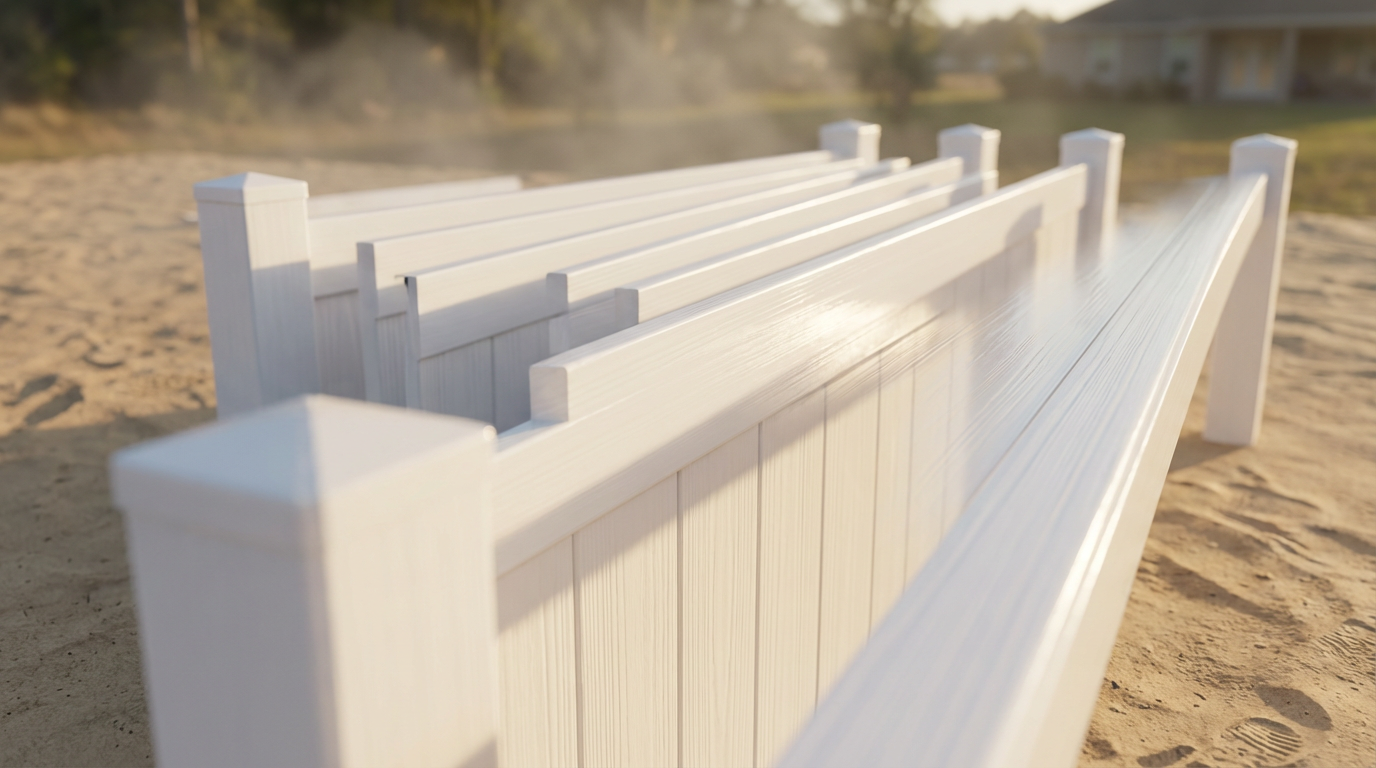
Vinyl fencing has gained popularity due to its low maintenance and long-lasting durability. It is resistant to moisture, making it an excellent choice for Vancouver's damp weather conditions. Additionally, vinyl fencing is available in various styles and colors.
Pros of Vinyl Fencing
- Low Maintenance: Requires minimal upkeep.
- Weather Resistant: Withstands harsh weather conditions.
Cons of Vinyl Fencing
- Initial Cost: Generally more expensive upfront.
- Limited Customization: Less flexibility in changing appearance.
Metal Fencing
Metal fencing, including options like aluminum and wrought iron, provides a strong and secure barrier while offering an elegant look. These materials are highly durable and require minimal maintenance, making them suitable for long-term use in Vancouver.
Pros of Metal Fencing
- Durability: Extremely resistant to wear and tear.
- Security: Offers high protection for properties.
Cons of Metal Fencing
- Cost: Can be more expensive than other materials.
- Style Limitations: May not fit all aesthetic preferences.
Composite Fencing
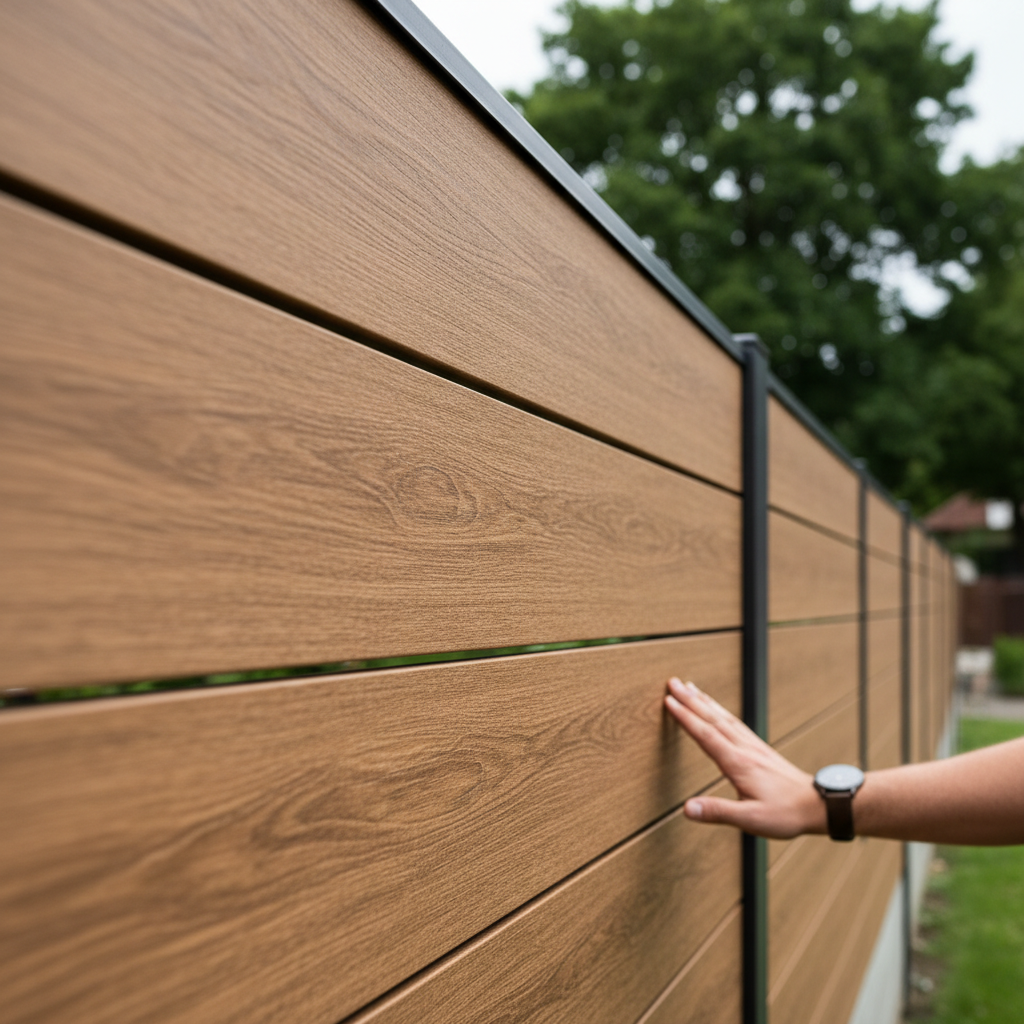
Composite fencing combines wood fibers and plastic to create a material that mimics the appearance of wood but offers the durability of synthetic materials. It's a great option for those looking for a low-maintenance and eco-friendly solution.
Pros of Composite Fencing
- Eco-Friendly: Often made from recycled materials.
- Low Maintenance: Resistant to rot and insect damage.
Cons of Composite Fencing
- Cost: Higher initial investment.
- Color Fading: May fade over time with UV exposure.
Conclusion
When deciding on the best fencing material for your Vancouver property, consider factors such as climate, maintenance requirements, and budget. Each material offers unique advantages and potential drawbacks, so selecting the right one depends on your specific needs and preferences.
By understanding the characteristics of wood, vinyl, metal, and composite fencing, you can make an informed decision that enhances both the beauty and functionality of your property. Whether you prioritize aesthetics, durability, or sustainability, there's a fencing material that will meet your needs.